
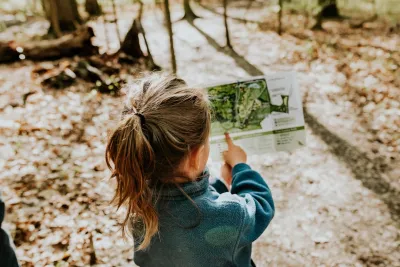
Turn Your Family Travels into an Educational Adventure!
Learning Through Travel (Without Turning Every Trip Into a School Day)
Travel gets talked about as though it’s automatically educational — as if the mere act of boarding a plane transforms you into a calm, intentional educator with a tote bag full of worksheets.
In practice, learning on the road tends to be much quieter than that. It happens in conversations, in small observations, and in the moments you hadn’t planned for at all. Which is probably why it works.
You don’t need to structure every day or label every activity as “educational”. Being somewhere unfamiliar already stretches children in ways a classroom can’t.
A Little Planning Helps (You Can Leave the Rest)
It’s worth doing a bit of research before you go — not to fill the days, but to know what your options are when energy and enthusiasm align.
Museums and historical sites are obvious choices, but they don’t need to be exhaustive. One or two well-chosen visits usually land better than trying to “cover” everything. Interactive museums and open-air sites tend to work best, particularly with younger children.
If you’re staying somewhere longer, passes or memberships can be helpful — mostly because they remove the sense that you need to make the visit count.
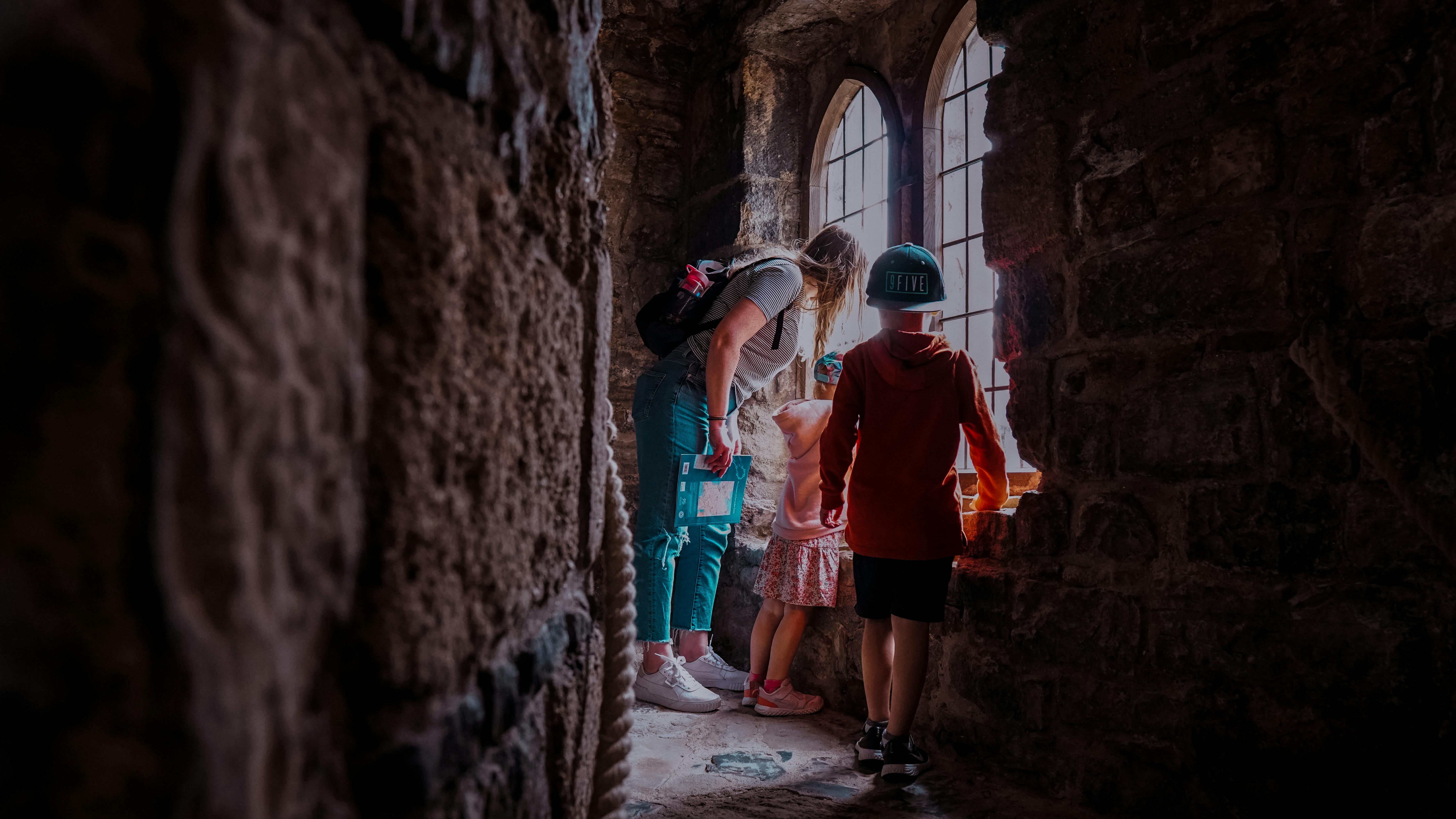
Culture Is Learned by Joining In
Some of the most meaningful learning happens simply by taking part in everyday life.
Ordering food, picking up a few local phrases, working out how shops or buses work — all of this builds cultural understanding without feeling like a lesson. Children absorb far more than we often realise.
Local festivals, neighbourhood events, and family-friendly cooking classes offer gentle ways to experience culture together. Staying in residential areas rather than hotels often gives children a clearer picture of daily life, rather than a curated version of it.
For longer stays, local classes or clubs can be particularly grounding — a familiar weekly rhythm in an unfamiliar place.
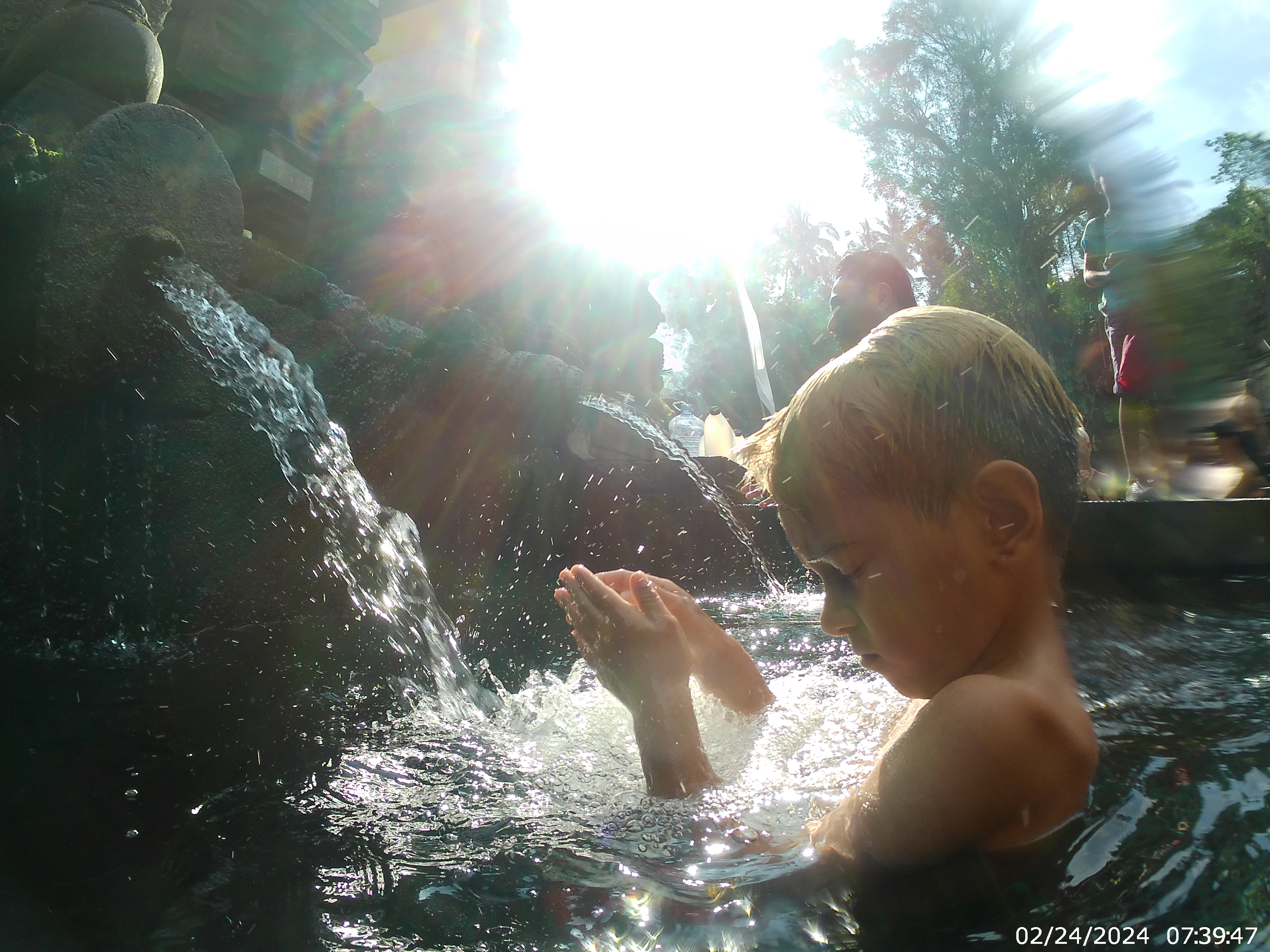
Nature Does Most of the Teaching for You
If you’re not sure what to do, going outside is rarely the wrong answer.
National parks, coastlines, forests and mountains provide constant prompts for curiosity. You don’t need to explain everything — noticing, wondering aloud, and occasionally looking something up later is more than enough.
Stargazing, farm visits and botanical gardens also work well, especially when they’re allowed to unfold at an unhurried pace.
For families travelling long-term, eco-focused stays or farm projects can add depth, particularly around sustainability — though it’s worth remembering they’re still real places, not educational set pieces.
Everyday Moments Matter More Than You Think
Not all learning looks impressive.
Figuring out transport systems, handling unfamiliar currency, reading signs, navigating new cities — these are practical, confidence-building experiences that add up over time.
Travel journals don’t need to be literary. Notes, drawings, photos, voice recordings — whatever helps children reflect in their own way. Reading books or watching films related to your destination can also help children place what they’re seeing in a wider context.
Travel Teaches Life Skills (Quietly)
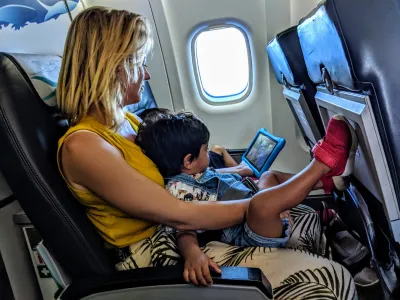
Travel has a way of teaching independence without much fanfare.
Packing, keeping track of belongings, making choices, adjusting plans — these are all small lessons in responsibility and flexibility. Letting children help plan routes or choose activities slows things down slightly, but usually pays off.
On longer trips, involving children in bigger-picture decisions — budgets, accommodation trade-offs, pacing — helps them understand how choices connect to real-world constraints.
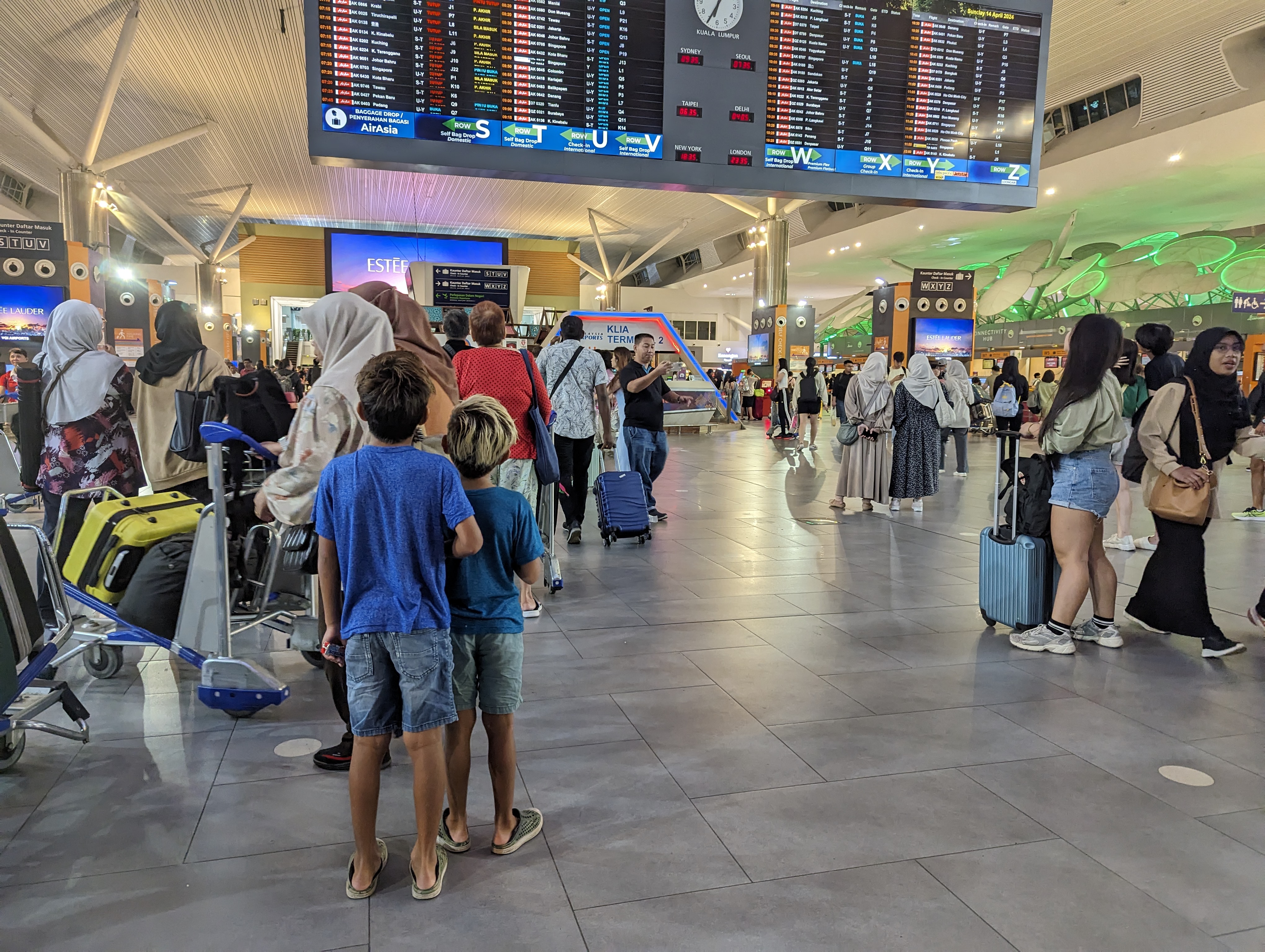
People Are Part of the Education
The people you meet tend to leave the strongest impression.
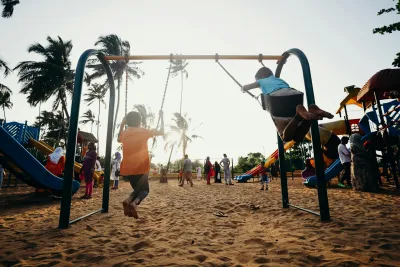
Playgrounds, shared activities, casual meetups and group classes all offer opportunities for connection. Children often navigate these spaces with more ease than adults, and there’s a lot to be learned from that.
For long-term travelling families, worldschooling meetups and informal learning groups can provide both social continuity and shared experiences — and often result in friendships that stretch across countries and years.
Technology, Used Sensibly
Technology can support learning rather than distract from it.
Maps help make geography tangible. Language apps lower the barrier to communication. Nature identification tools turn walks into mini discoveries.
Many long-term travelling families also rely on online learning platforms or virtual schooling to provide structure and continuity, particularly if returning to formal education is on the horizon.
Final Thoughts
Travel doesn’t need to be perfectly planned to be educational. Much of the learning happens organically — through exposure, repetition, and shared experience.
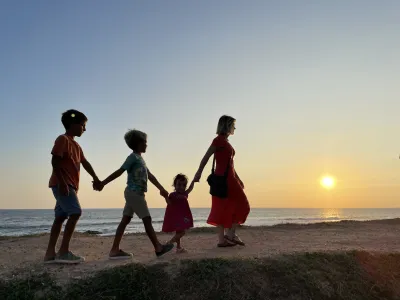
If you give children time, space, and the occasional nudge to notice what’s around them, travel becomes more than movement between places. It becomes a way of understanding the world — and their place in it — a little better.


No comments yet…